Much like that enjoyed by its fateful glutton in the opening scene
, Dream
of the Rarebit Fiend offers viewers a plentiful cornucopia, full of camera
trickery and spectacular attraction. I enjoyed Porter's use of intoxicating
visual effects, beginning once the fiend hits the street after his binge. The
superimposition of an oscillating pendulum over dizzying handheld street
footage provides an entertaining exhibition of a wino's futile grapple with
steady footing. This shot had a visceral effect on me, its sloppy and desperate
image a relatable state allegorical to drunkenness. However,
Rarebit Fiend does
not limit itself to displaying imagery that pertains to the physiology of
inebriation, but provides a drinker's folly as a springboard for increasing
spectacle. After the initial discombobulating swirl scene, I no longer
felt physically joined with the suffering of the fiend, but instead enjoyed the
effects presented in the name of drunkenness. I liked the stop-motion entropy
of the fiend's bedroom furniture as it flies out of frame. In a miniature
re-creation of his bedroom (which I thought looked impressively similar) the
fiends bed spirals chaotically with he use of strings. I found comic
entertainment in the matting effect of little devils spurting from a rarebit
dish and bludgeoning the fiend's bed-ridden head. However, the increasing
formal nature of these effects caused me to lessen my identification with the
fiend (unless you want to read them as hallucinations - though unless in a case
of delirium tremens or a wormwood absinthe, I wouldn't associate visual
hallucinations with the psychological effects of alcohol :D). Instead, I felt
like a spectator, deriving pleasure from the spectacle of the fiend's
suffering, and unconcerned as to whether a drunk would actually experience the
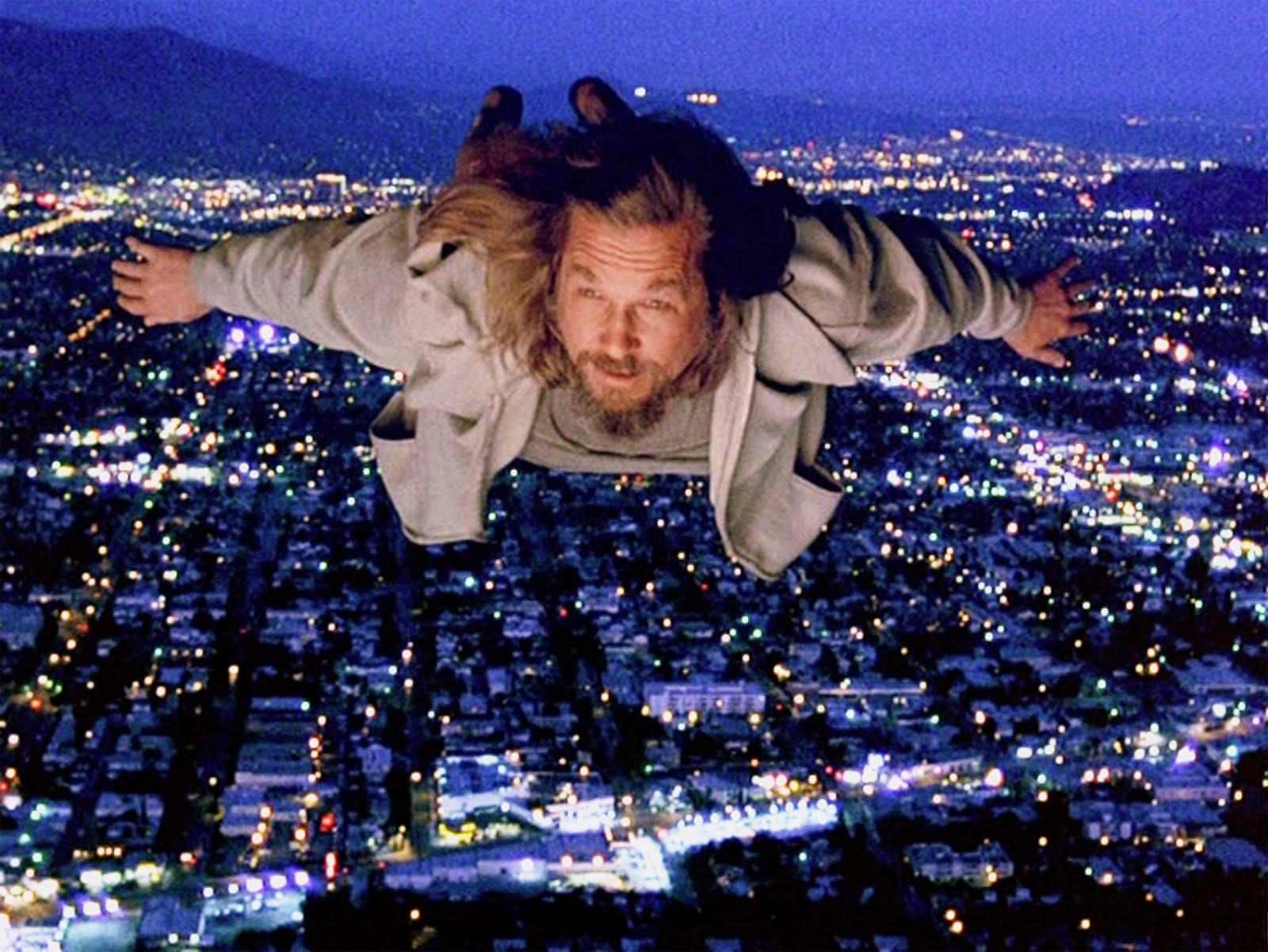
effects shown on screen. I really enjoyed the matting of the fiend in bed, the
upper third of the screen, over a pan across a cityscape, the lower
two-thirds. This effect seemed the least physiological of all, but the most
fantastical.
As Gunning identifies as a practice for early films in
The Cinema of Attraction, the loose plotline, I feel, is but a
frame or underscore onto which the film’s technical wizardry is projected. This
is similar to the ‘narratives’ in
Méliès films,
which he describes as a “pretext” for cinematic tricks and dazzle. During the
pendulum statue shot
Rarebit Fiend, I
felt a visceral response and sympathy to the fiend character – a reaction much
sought by Eisenstein – the “psychological impact” of cinema. However, as
Gunning relates, the formalist, FX-driven nature of the film – as well as its
thin narrative – provided me with entertainment but in so doing prevented me
from being consumed into the reality of the film itself – "exhibitionist
confrontation rather than diegetic absorption," as he puts it.

No comments:
Post a Comment